IntelliGuide™

Patient-Specific 3D Bunion Correction

First patient-specific cut guides for mid-foot correction in the U.S.

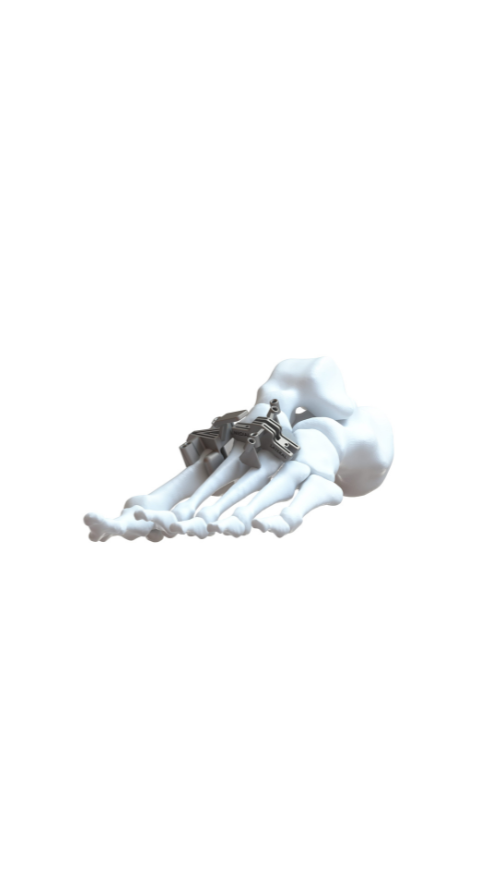
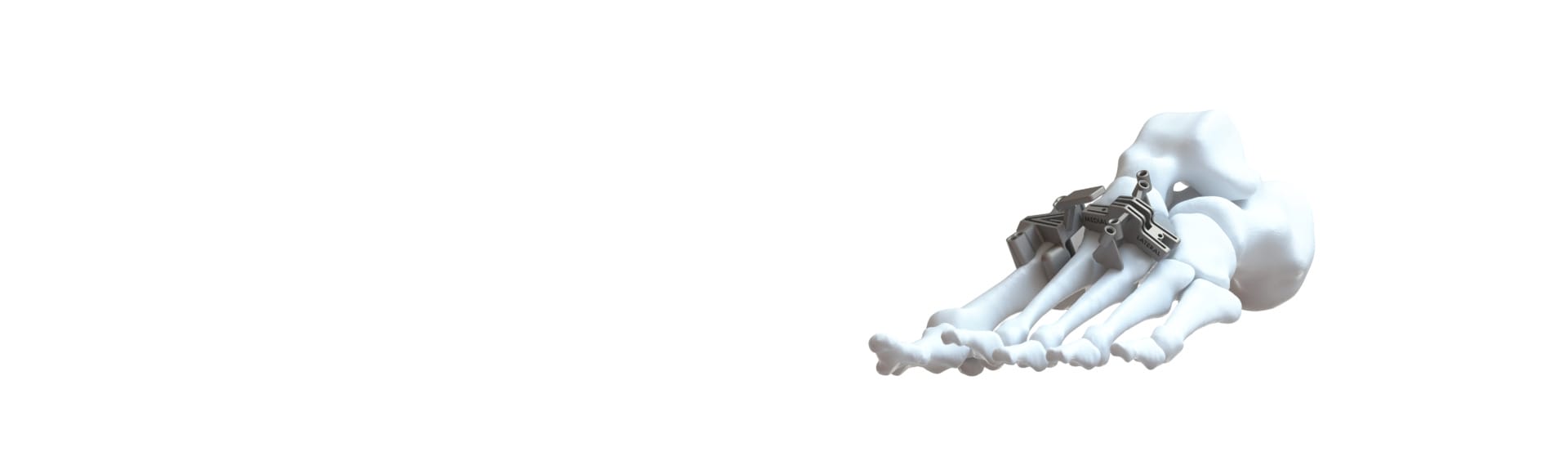
3D rendering of human foot bones with metal implants, showing skeletal structure and surgical alterations.

IntelliGuide™ Provides

Intelligent Pre-Op Planning
Comprehensive visualization of patient’s unique deformity before surgery

Patient-Specific 3D Correction
First patient-specific cut guides for mid-foot correction in the U.S.

Streamlined Workflow1
Fewer steps and less instrumentation to drive OR surgical efficiency

Three X-ray images showing human feet with surgical bone plates and screws for bone repair.

IntelliGuide™ Customer Process

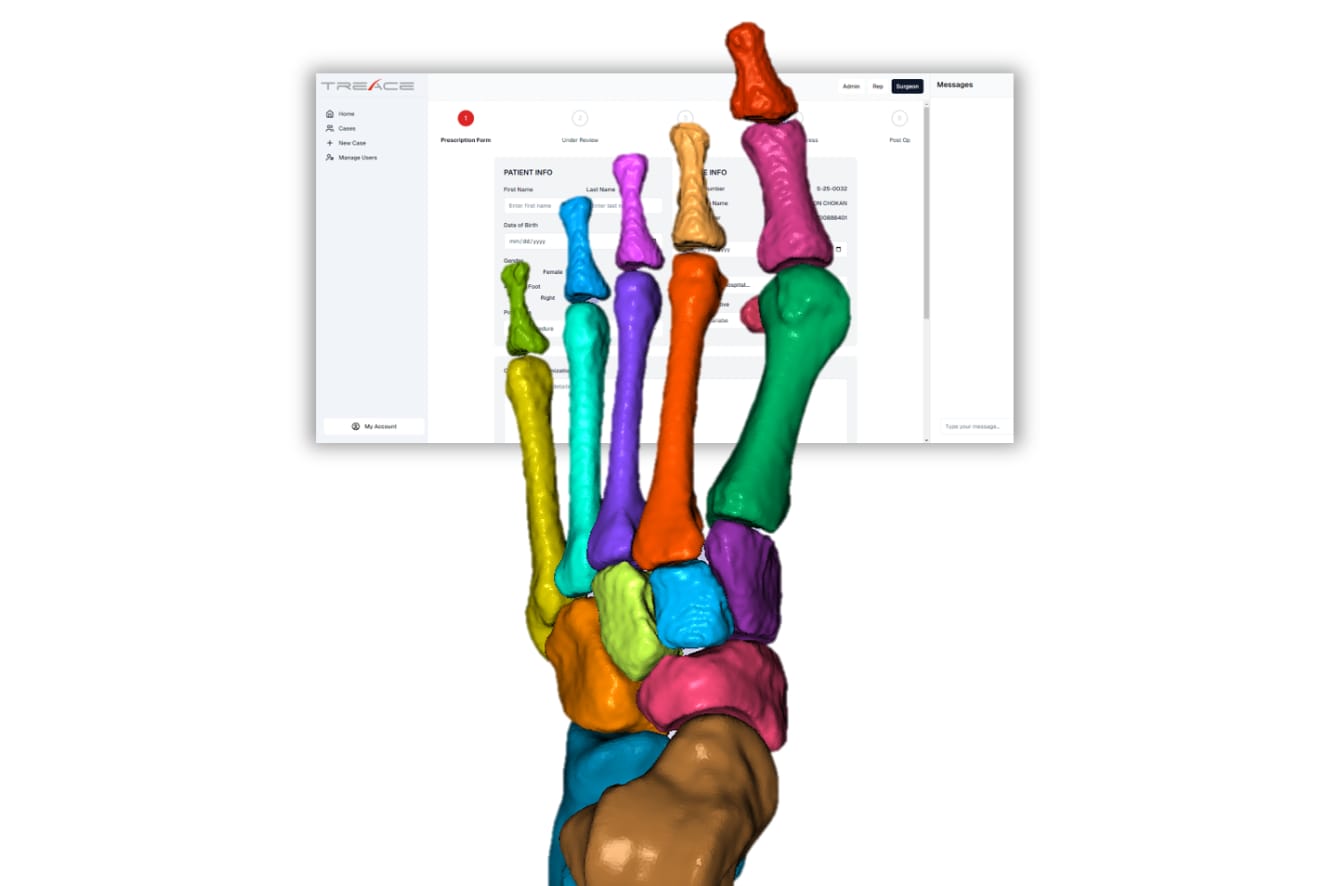
Step 1: Submit Files

Medical images are uploaded per protocol

Colored 3D model of a human hand skeleton in front of a blurred computer screen displaying medical information.

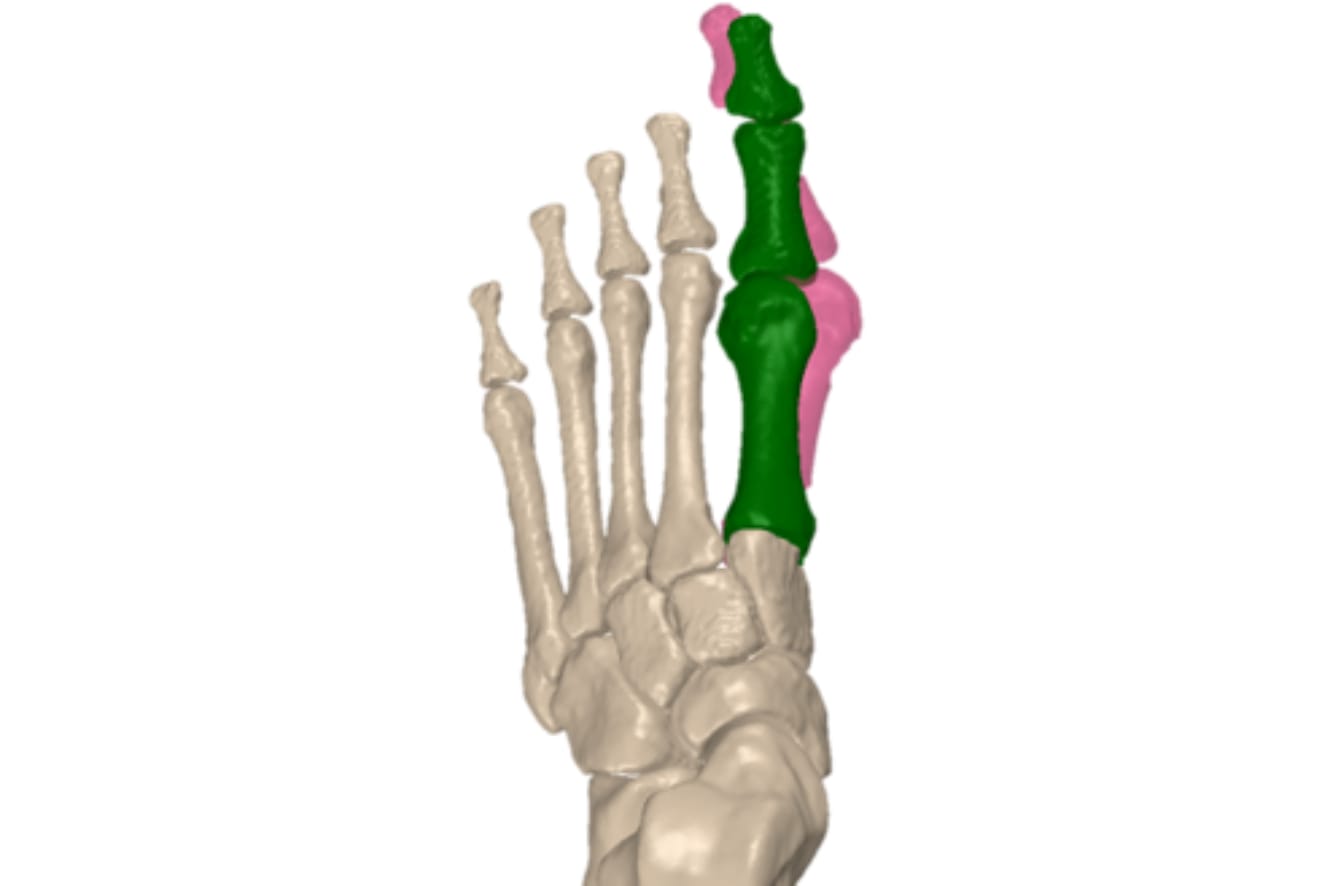
Step 2: Pre-Op Plan

The deformity is corrected based on pre-op parameters and surgeon approval

Illustration of a human foot bone with highlighted green and pink phalanges on the second and third toes, showing bone structures.

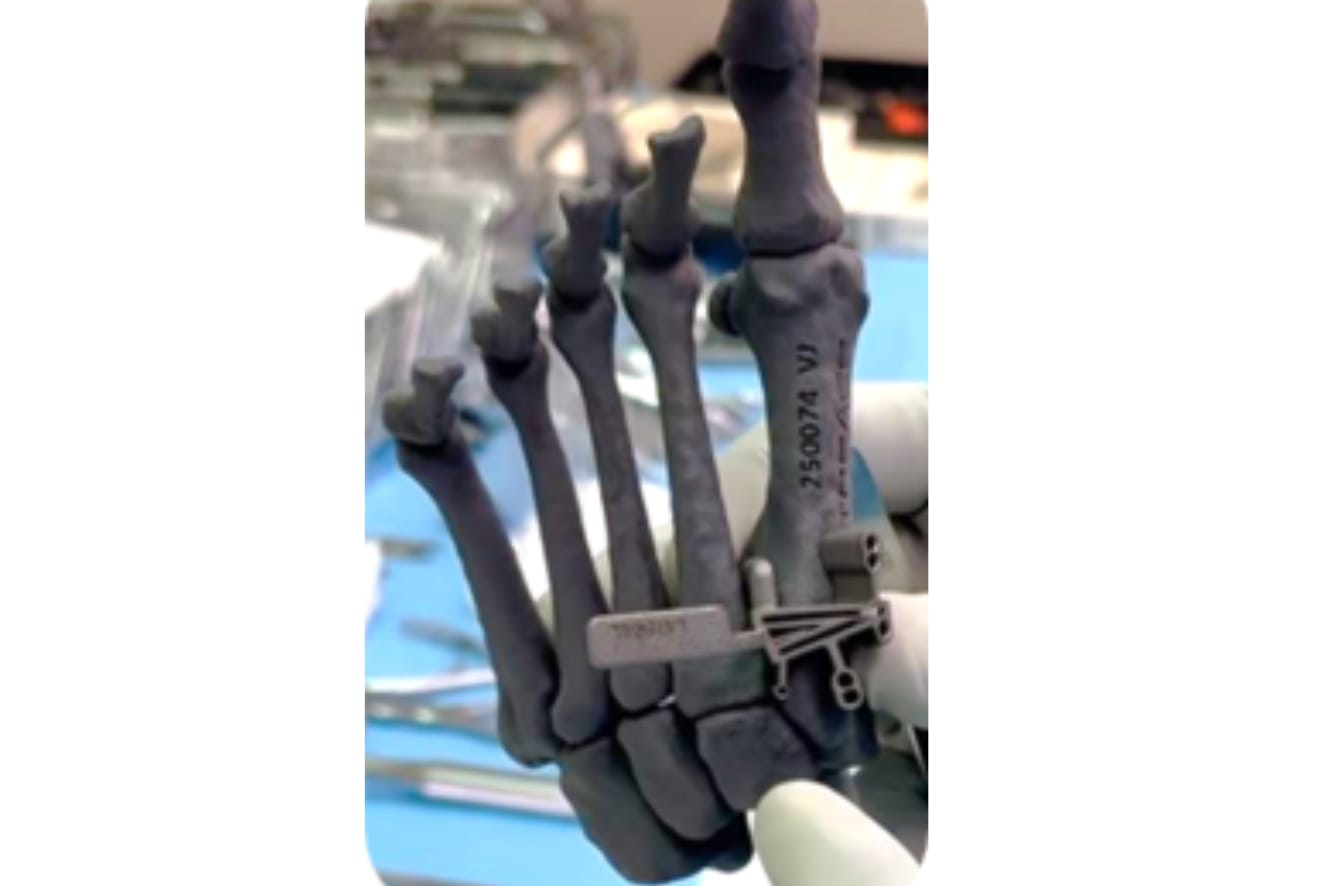
Step 3: Personalized Surgery2

Patient-Specific guides with models are sent for surgery

3D printed hand model being held by a gloved hand in a lab setting.

IntelliGuide™ for Lapiplasty®

Step 1: Cut

Foot bones with orthopedic implant, showing skeletal structure and medical hardware.

Step 2: Compress

Illustration of a human foot skeleton showing surgical hardware on the first toe against a white background.

Step 3: Fixate*

Illustration of human foot bones with a metal implant on the big toe.
Construct at Surgeon's Discretion

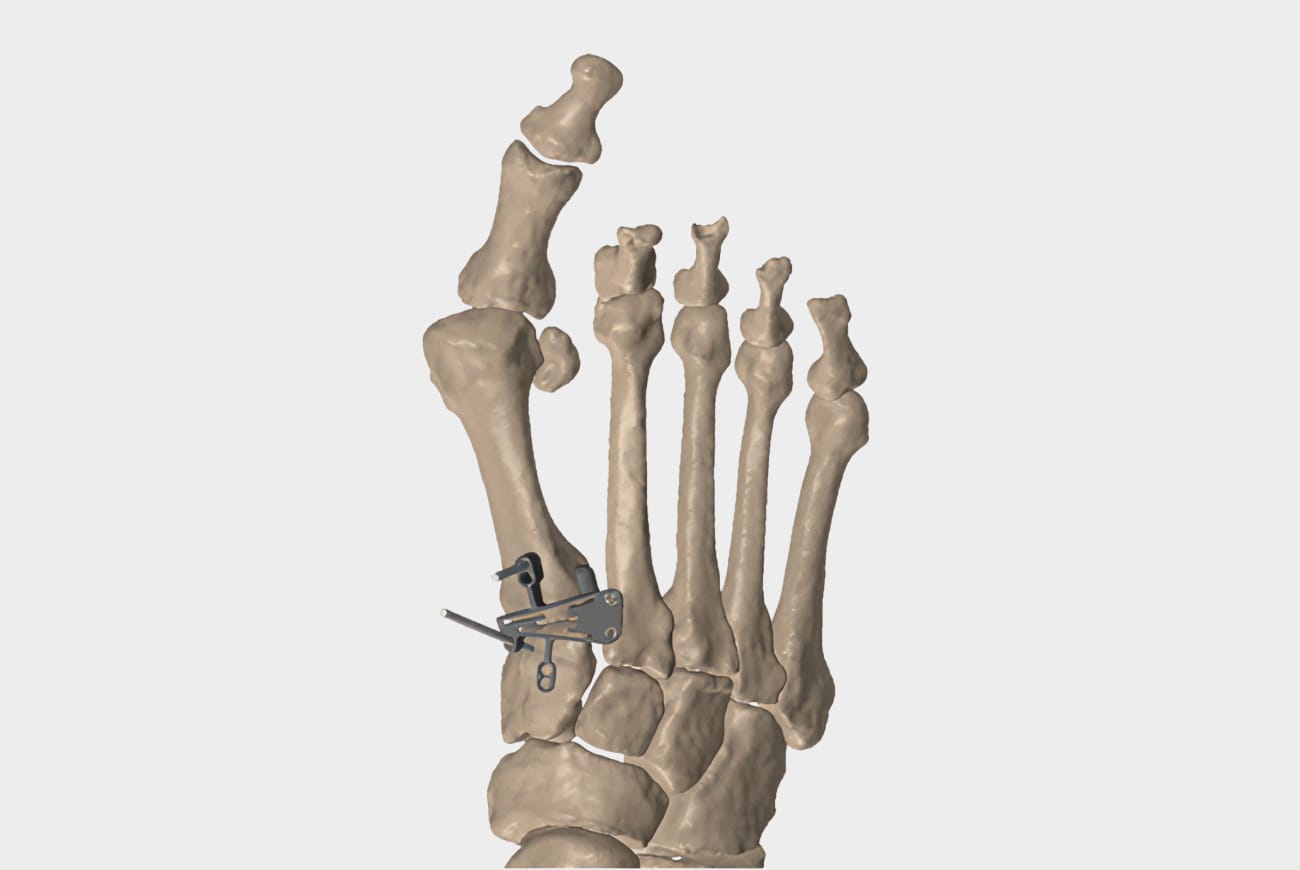
IntelliGuide™ for Adductoplasty®

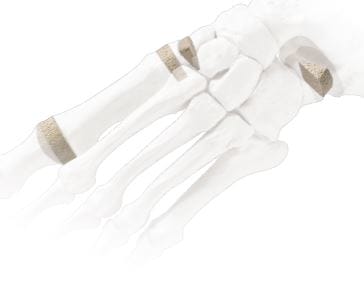
Step 1: Cut

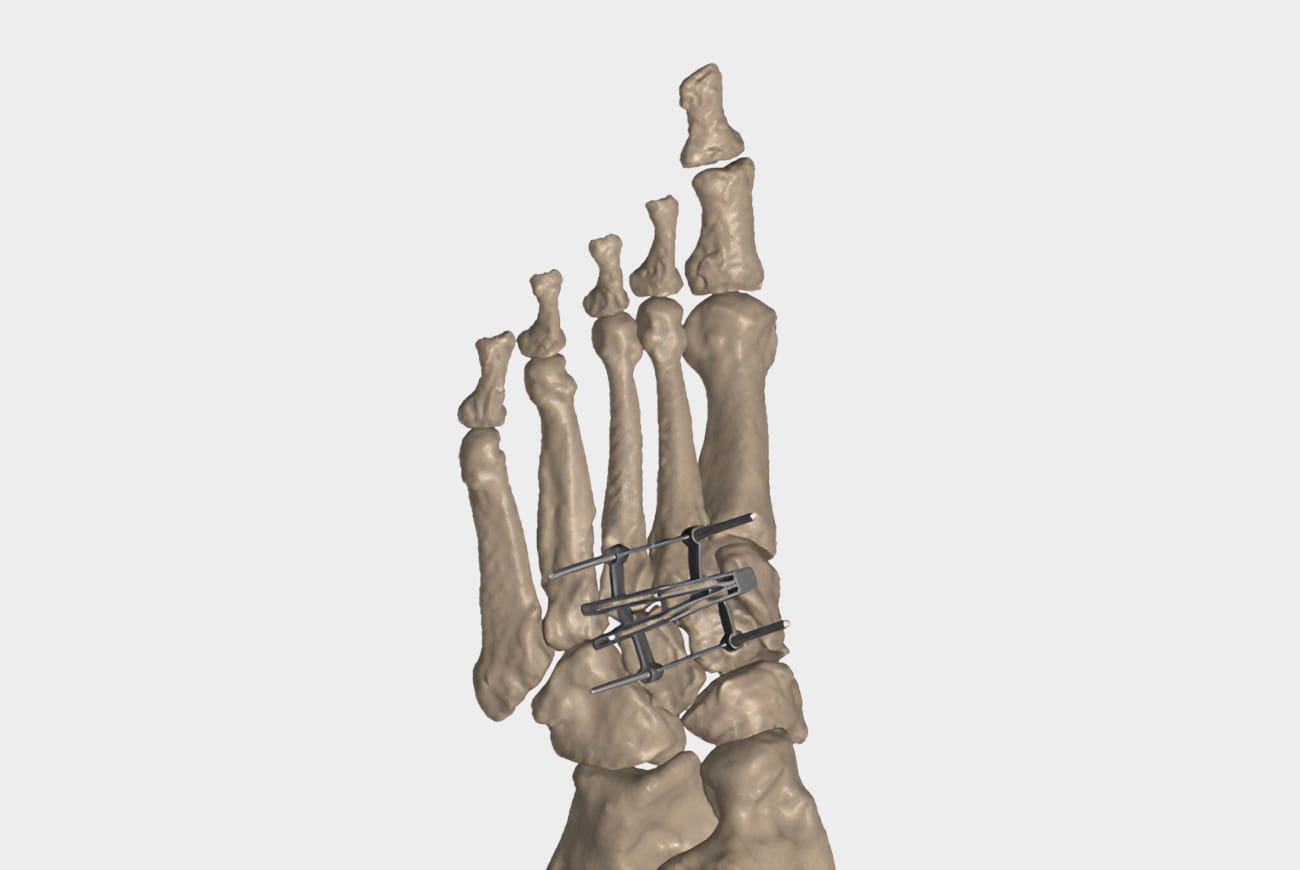
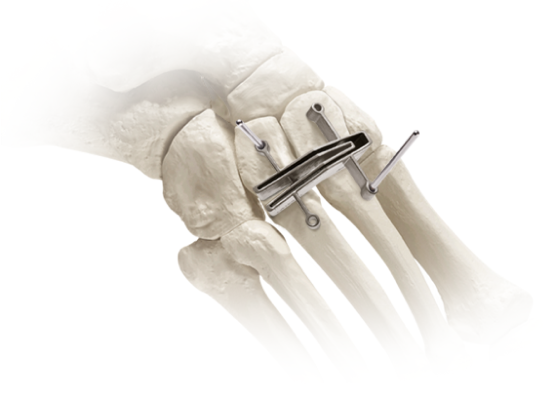
3D rendering of a foot skeleton with surgical metal plates and screws on the metatarsal and phalangeal bones, side view

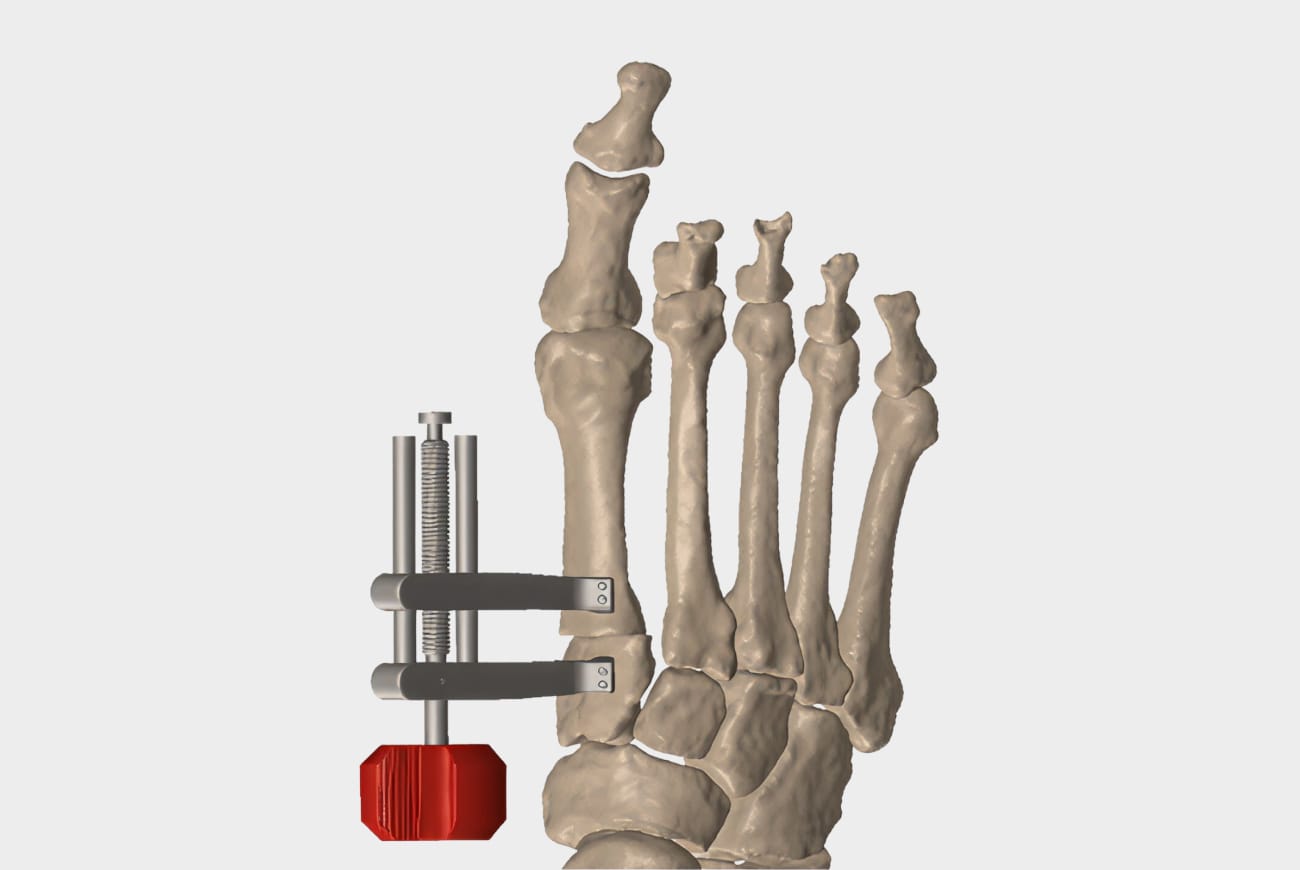
Step 2: Compress

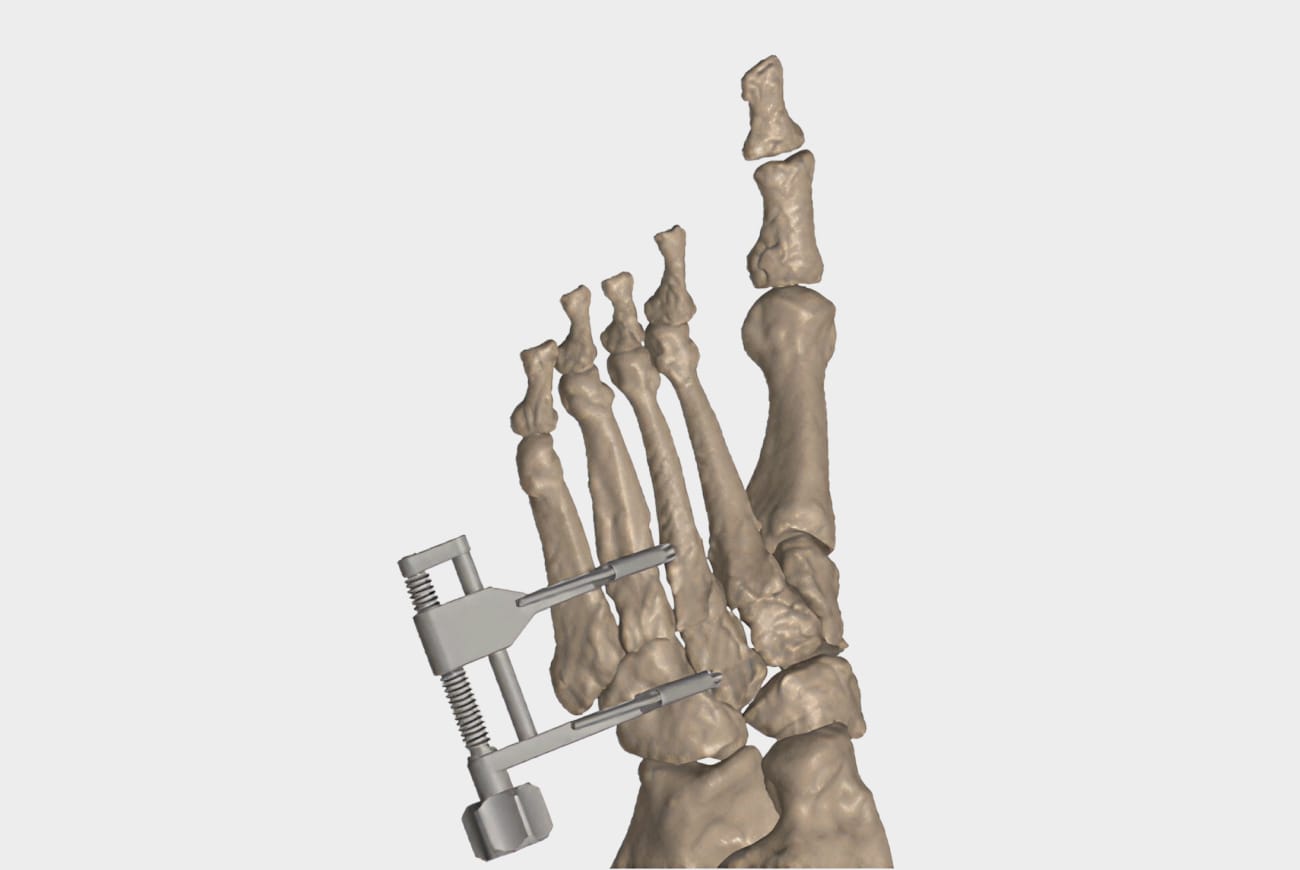
3D render of a foot skeleton with an external fixator device attached to the toes for bone alignment and stabilization.

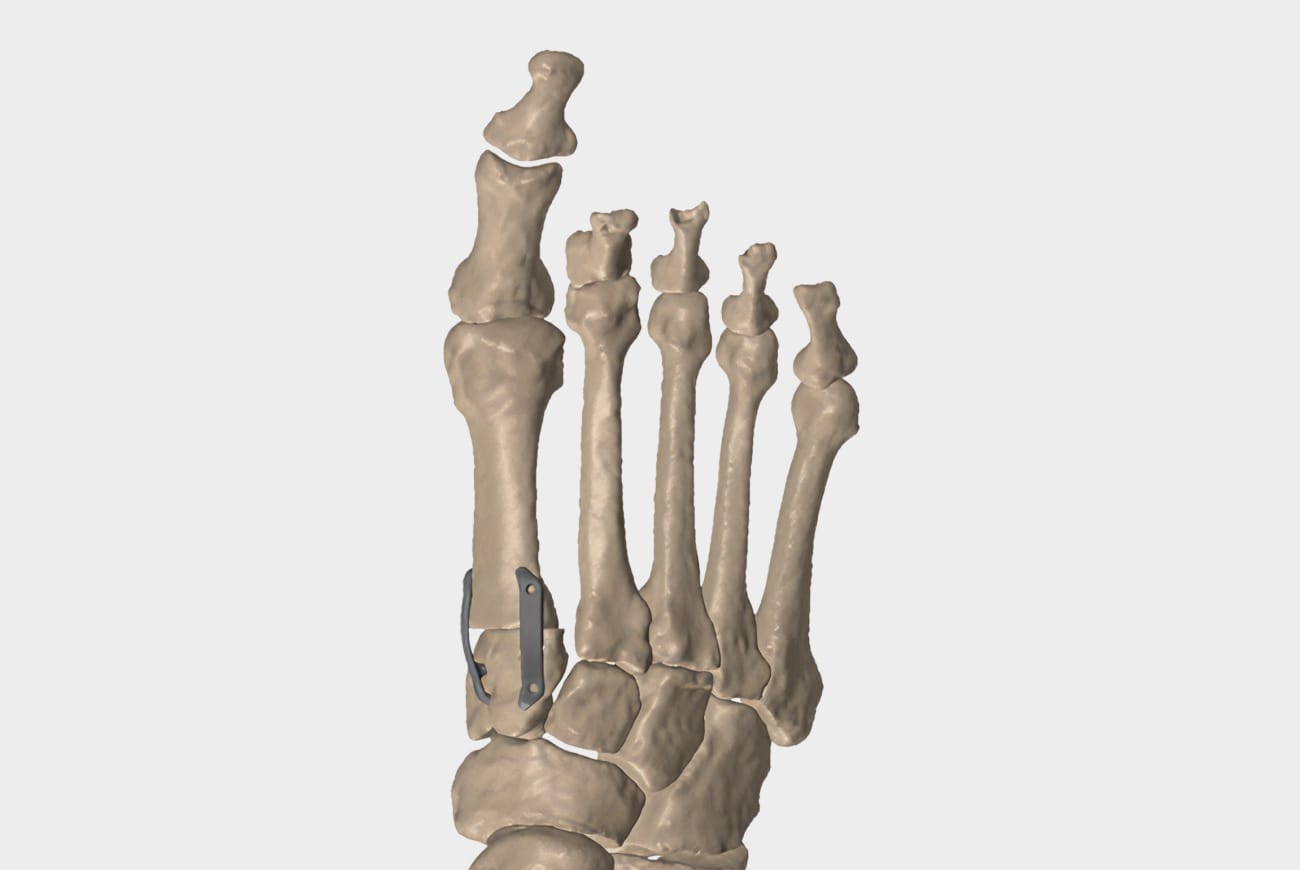
Step 3: Fixate*

3D model of a human foot skeleton with focus on the bones of the toes and midfoot, displayed on a white background.
Construct at Surgeon's Discretion

“With my first patient treated, I’m impressed with the experience and outcome from using the IntelliGuide™ PSI and Lapiplasty® technologies. It’s exciting to have these technologies available for the first time where I can visualize the patient’s deformity in 3D, develop and simulate a surgical plan, and create cut guides specific to the patient’s unique anatomy, all before stepping into the operating room.”**

Smiling man in a white lab coat and striped shirt against a gray backdrop.

Mark Easley

MD, Chief, Duke University Foot and Ankle Division

Supporting Documents

CT Scan and WB X-Ray Protocol

Surgical Technique Using Lapiplasty® PSI Cut Guide

Surgical Technique Using Adductoplasty® PSI Cut Guide

Instructions for Use

Other Products

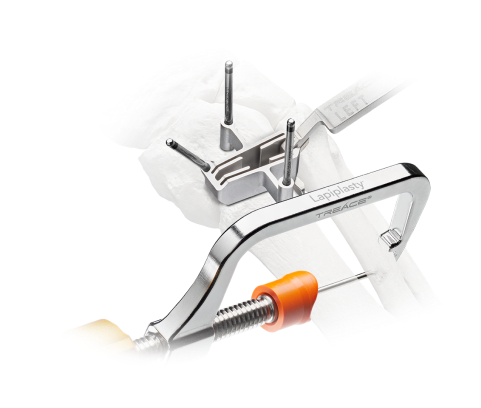
Surgical tool applied to a bone model showcasing precise medical equipment for orthopedic procedures.

Lapiplasty®

Streamlined instrumentation helps visualize and dial in precise 3D corrections and ensures the correction is maintained throughout the procedure.

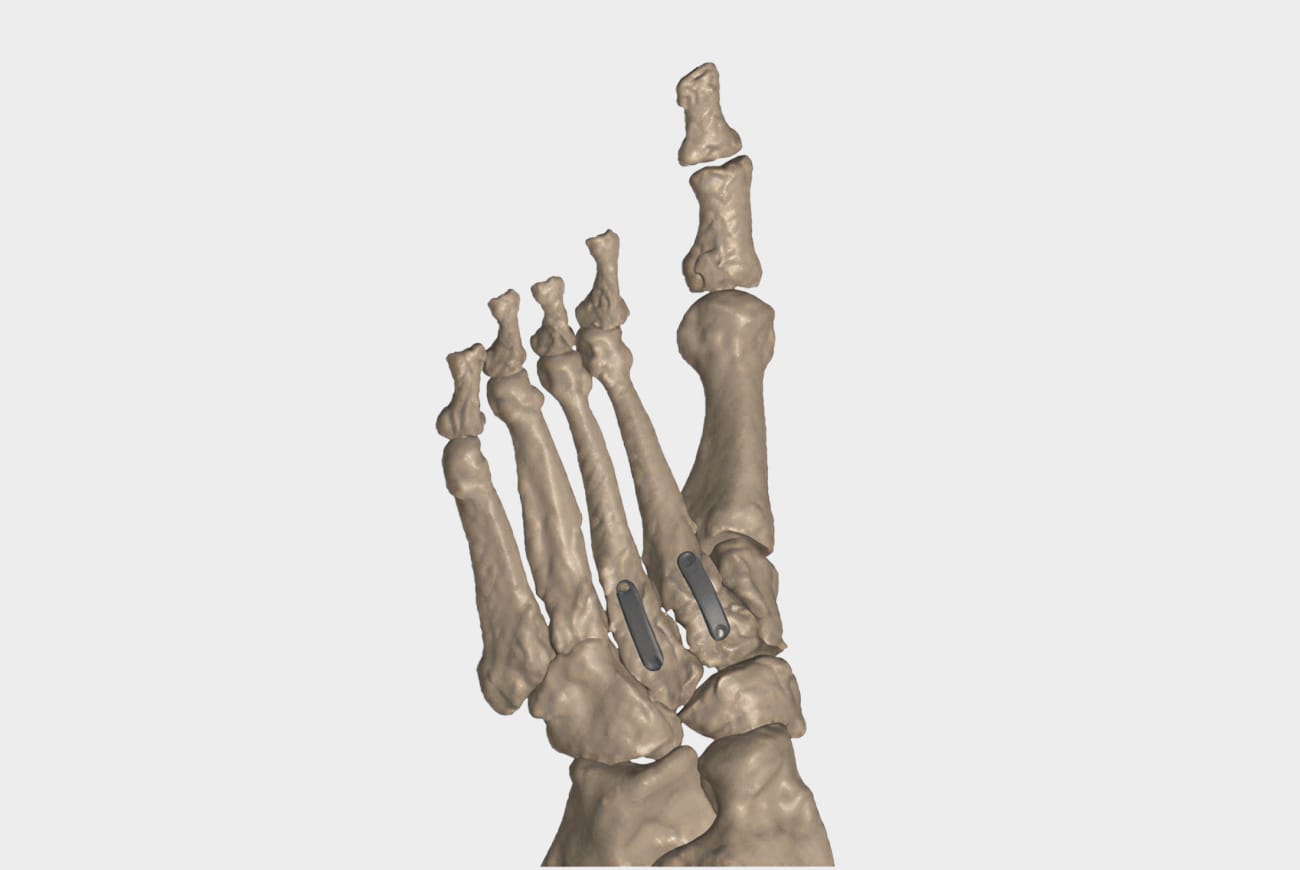
Surgical screws and plate on skeletal foot bones in medical illustration for orthopedic procedures.

Adductoplasty®

Surgically addresses midfoot adductus deformity and OA with a controlled, reproducible result.

Illustration of a human foot skeleton highlighting bone structures against a plain white background.

Biologics & Wedges

Treace™ Allograft Wedges are engineered for strength and correction. CortiFuse™ maximizes healing potential with every fiber.

Got Questions?

For more information or to get trained on Treace’s comprehensive 3D Correction® systems, give us a call or complete the form.

*Construct is at the surgeon’s discretion and shown for illustrative purposes only. Proceed with the preferred fixation system per the respective surgical technique.
**Dr. Mark Easley is a paid consultant for Treace Medical Concepts.
BoneClone™ models are gray
1. TMC data on file across multiple instrumented Lapidus procedures.
2. TMC PSI products are not a “custom device” per Sec 520(b) of the FD&C Act; they are patient-specific, fit to the patient with their own CT scans per 21 CFR Part 888.3030.

M3931A